Archives
- 2026-10
- 2026-09
- 2026-08
- 2026-07
- 2026-06
- 2026-05
- 2026-04
- 2026-03
- 2026-02
- 2026-01
- 2025-12
- 2025-11
- 2025-10
- 2025-09
- 2025-03
- 2025-02
- 2025-01
- 2024-12
- 2024-11
- 2024-10
- 2024-09
- 2024-08
- 2024-07
- 2024-06
- 2024-05
- 2024-04
- 2024-03
- 2024-02
- 2024-01
- 2023-12
- 2023-11
- 2023-10
- 2023-09
- 2023-08
- 2023-07
- 2023-06
- 2023-05
- 2023-04
- 2023-03
- 2023-02
- 2023-01
- 2022-12
- 2022-11
- 2022-10
- 2022-09
- 2022-08
- 2022-07
- 2022-06
- 2022-05
- 2022-04
- 2022-03
- 2022-02
- 2022-01
BCCA occlusion followed by reperfusion injury significantly
2022-07-01
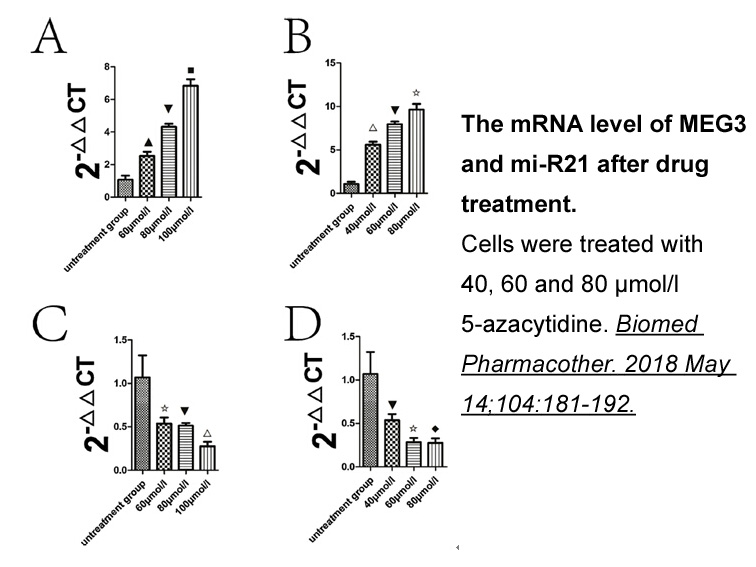
BCCA occlusion, followed by reperfusion injury, significantly increased the brain AT1 and AT2 receptor expression in mice. Reports have demonstrated elevation of AT1 receptor expression in the cerebral TW-37 during ischemia [34,35]. The gene expression of brain AT2 receptor is increased in both in
br Conclusions br Acknowledgements br Introduction Glucose m
2022-07-01

Conclusions Acknowledgements Introduction Glucose metabolism is vital to prepare uterine epithelium and stroma for embryo implantation and for the differentiation of the functionalis layer to support the developing conceptus [[1], [2], [3], [4]]. Due to its polar nature and hydrophilic cond
SGLT inhibitors have been accepted as a new class of
2022-07-01
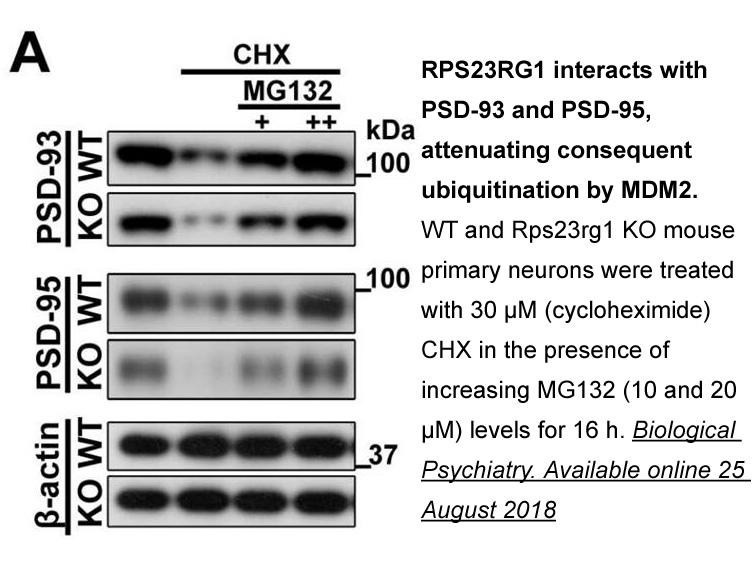
SGLT-2 inhibitors have been accepted as a new class of antidiabetic agent (Kurosaki and Ogasawara, 2013). They limit renal glucose reabsorption and promote urinary excretion of glucose, thereby reducing plasma glucose levels (de Leeuw and de Boer, 2016, Jojima et al., 2016, Pérez López et al., 2010,
br Xenobiotics and the Glucocorticoid
2022-07-01
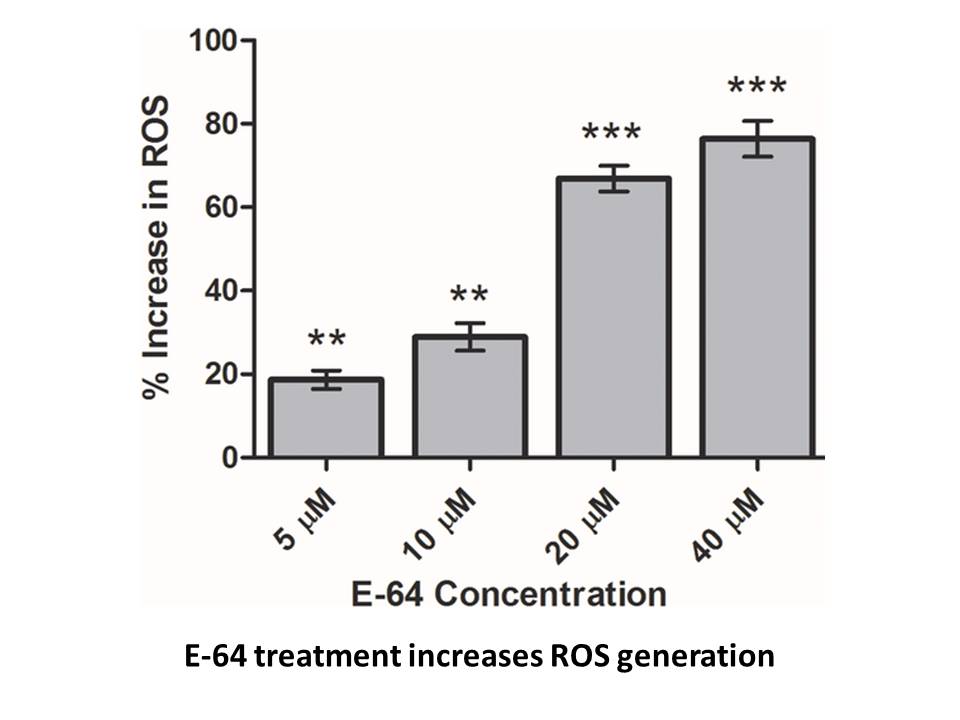
Xenobiotics and the Glucocorticoid Receptor Conclusion Transparency document Acknowledgements The author wishes to thank Professor Wilhelm Engström from the Swedish University of Agricultural Sciences (Department of Biomedical Sciences and Veterinary Public Health) for his proof reading
Based upon the present findings
2022-06-30
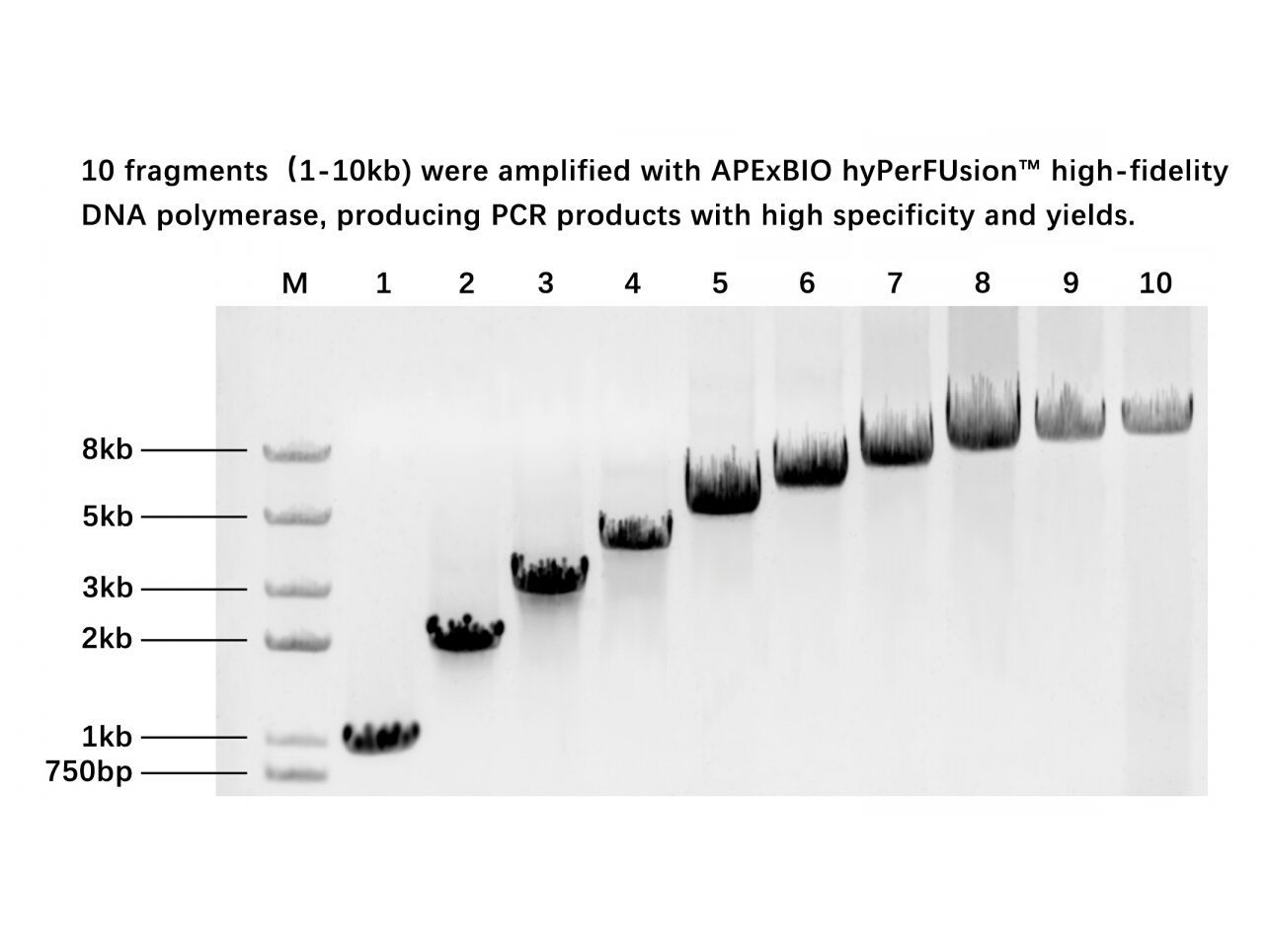
Based upon the present findings, it is tempting to imagine that selective, and especially stable blood–brain barrier (BBB) penetrating GalR1 antagonists might be useful as drugs for acute suppression of appetite. While this may be possible, previous studies using nonspecific galanin antagonists yiel
Histone acetylation is regulated by
2022-06-30
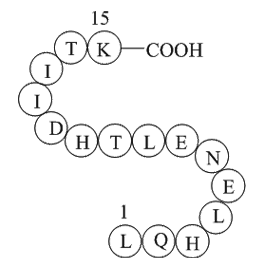
Histone acetylation is regulated by two groups of enzymes, histone acetyltransferases (HATs) and deacetylases (HDACs), with antagonizing functions (Wang et al., 2009b). Among members of HATs, p300 and CBP are homologous. Both are global transcriptional co-activators (Ogryzko et al., 1996), and play
Thus regardless of its specific function PTC is
2022-06-30
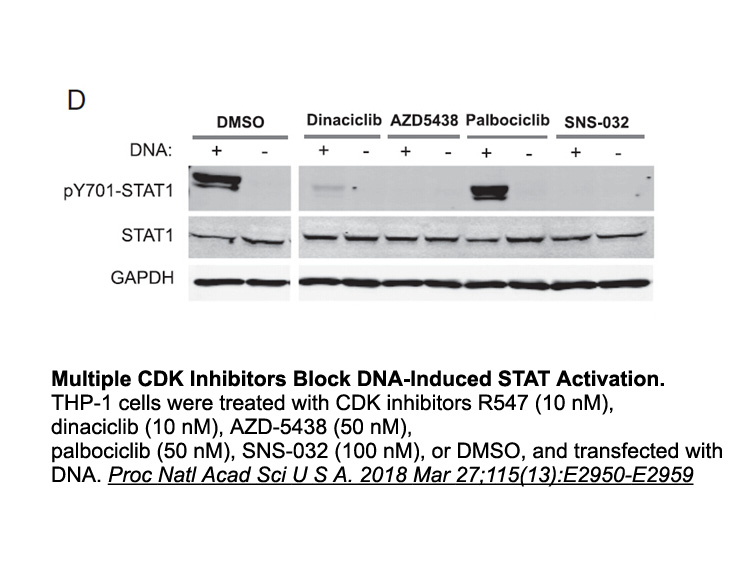
Thus, regardless of its specific function, PTC52 is associated with plastid activity. During arbuscular mycorrhizal symbiosis, elongated plastids, which are interconnected through thin, tubular plastid projections called stromules, proliferate in arbuscule-containing root cortex cells (Fester et al.
Roughly million people who are currently infected
2022-06-30

Roughly 15 million people who are currently infected with HBV are co-infected with the hepatitis D virus (HDV) (WHO, 2017b). The superinfection not only leads to more severe liver damage and early onset of cirrhosis, but also to a higher mortality than HBV mono-infection (Rizzetto, 1983; WHO, 2017b)
br Conclusion and perspectives Guanylyl cyclases are
2022-06-30
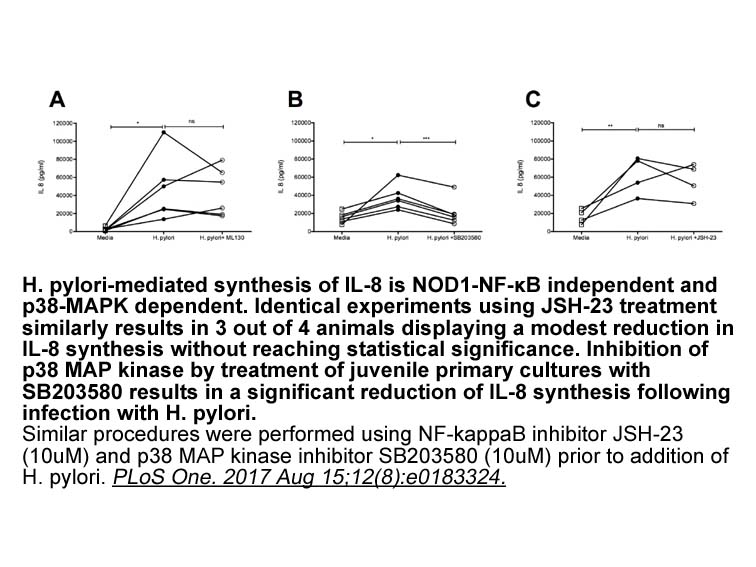
Conclusion and perspectives Guanylyl cyclases are ubiquitous enzymes that regulate critical functions in bacteria to humans. In mammals there are seven mGCs and activators of all members have now been identified. Mutations in the genes that encode mGCs or pathologic activation of these enzymes or
UV vis spectra of hsGC proteins were
2022-06-30
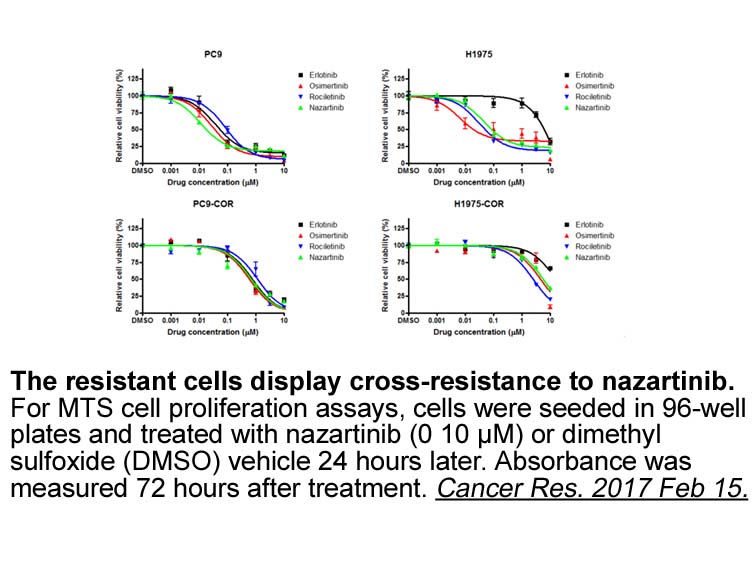
UV–vis spectra of hsGC proteins were recorded with an HP8453 UV–vis spectrophotometer at 20°C. The corresponding ferrous, CO-bound and NO-bound species were prepared with the similar published procedure [7], [15]. The heme transfer reactions were performed by a UV–vis spectrometer with kinetic mode
The vessel wall protein collagen which becomes exposed to
2022-06-30
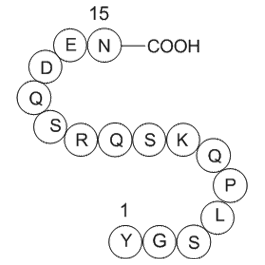
The vessel wall protein collagen, which becomes exposed to circulating platelets after vascular injuries, is a very strong platelet agonist. It stimulates all relevant platelet activation steps predominantly via the GPVI/FcRγ-chain receptor complex through an immunoreceptor tyrosine-based activation
cytochalasin d A few methods have been developed to
2022-06-29
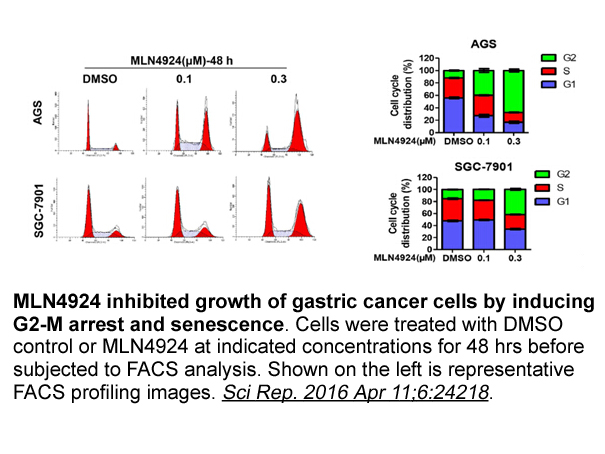
A few methods have been developed to separate and prepare compounds from L. chinensis, such as silica gel column chromatography [5,6] and high-performance liquid chromatography (HPLC) [7]. Silica gel column chromatography is still used for its simple equipment and low cost. However, this method is o
GPR is a member of the G protein coupled
2022-06-29
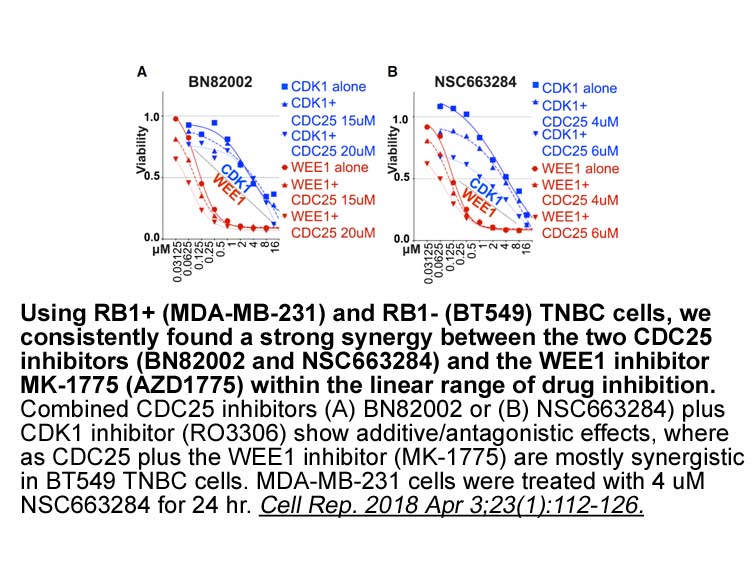
GPR119 is a member of the G protein-coupled receptor family, and is highly expressed in pancreatic β-cells and intestinal endocrine cells. It has been proposed that GPR119 agonists modulate glucose homeostasis by indirectly stimulating glucose-dependent insulin release through enhancing pancreatic c
Some years ago it has been described that
2022-06-29
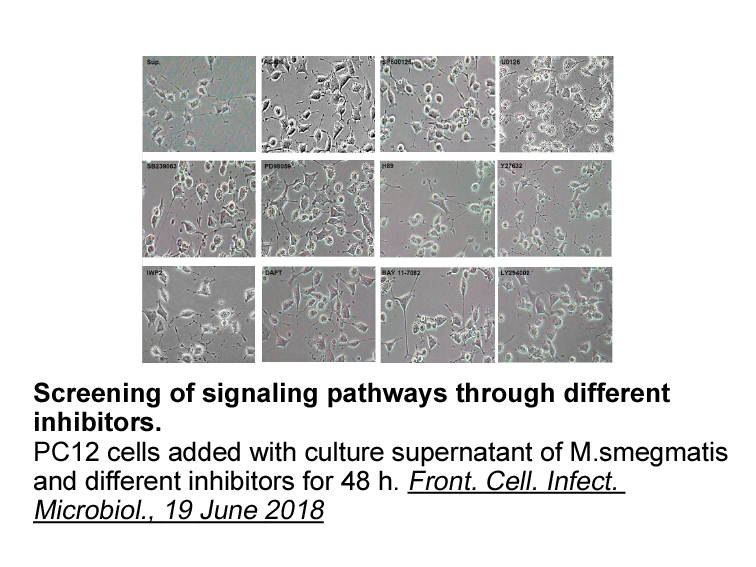
Some years ago, it has been described that CD45RA+ CD62L+ naïve CD4+ T euk 134 can be further differentiated into two distinct subpopulations by analysing their surface expression of CD31(Kimmig et al., 2002a; Kohler and Thiel, 2009; Kohler et al., 2005b). CD31+ thymicnaive CD4+ T cells are enriche
Capillary monolithic columns obtained by in situ
2022-06-29
Capillary monolithic columns obtained by in situ polymerization have been developed rapidly as an efficient chromatographic stationary phase, which exhibits excellent reproducibility, reliable stability and fast transfer kinetics [18]. Recently, it has been extensively applied in capillary liquid ch
8531 records 463/569 page Previous Next First page 上5页 461462463464465 下5页 Last page